Building dungeons in Minecraft is one of the most rewarding creative challenges a kid or teen can undertake. But where do they start? What makes a dungeon engaging? What separates a forgettable underground room from an experience that players will remember?
The answer lies in understanding proven dungeon design ideas. These are concepts that work because they tap into what makes gameplay compelling.
Today's guide explores 9 dungeon ideas drawn from successful dungeon design, organized into three categories: structural foundations, challenge mechanics, and design polish.
| Idea # | Dungeon Concept | Why It Works | Implementation Tip |
|---|---|---|---|
| 1 | Vertical Progression Through Danger | Creates emotional arc and prevents repetition | Build at least 2 distinct levels connected by ladders |
| 2 | Safe Rest Points Within Danger | Breaks up intensity and provides narrative purpose | Create confined rooms with beds, torches, and supply chests |
| 3 | Layered Challenges Across Multiple Floors | Progressive difficulty maintains engagement without frustration | Introduce basic challenges below, complex puzzles above |
| 4 | Force Decision-Making Without Clear Solutions | Tests navigation and creates tension through uncertainty | Create winding paths with minimal lighting and center reward |
| 5 | Use Minimal Lighting to Create Fear | Darkness suggests danger and forces cautious exploration | Contrast dark challenge areas with well-lit safe zones |
| 6 | Test Precision Jumping and Quick Thinking | Creates visceral danger and memorable moments | Cover floor with lava, add iron bars, provide escape ladders |
| 7 | Create Multi-Step Objectives That Require Exploration | Rewards exploration and creates sense of purpose | Hide multiple levers among decorative items as puzzles |
| 8 | Give Players Tools Before Final Challenge | Provides agency and calm before intense challenges | Stock armory with armor stands, crafting tables, and weapons |
| 9 | Create a Final Challenge That Feels Important | Establishes grandeur and serves as emotional climax | Build impressive throne as centerpiece with final puzzle |
1. Create Vertical Progression Through Danger for a Multi-Floor Descent
One of the most compelling dungeon ideas is designing your dungeon vertically rather than horizontally. Instead of a single large room, imagine players descending deeper into danger, then ascending toward escape.
Why this idea works: Players experience a clear emotional arc, starting with a descent into danger, followed by confrontation with challenges, and ending with an ascent to safety. This journey creates narrative momentum that keeps players engaged. Multiple floors also allow you to introduce completely different challenge types at each level, preventing the dungeon from feeling repetitive.
Plus, vertical design naturally creates distinct atmospheres too. Lower levels feel claustrophobic and oppressive, while upper levels can feel more open and accessible. This atmospheric shift reinforces the sense of progression and gives players psychological relief as they advance.
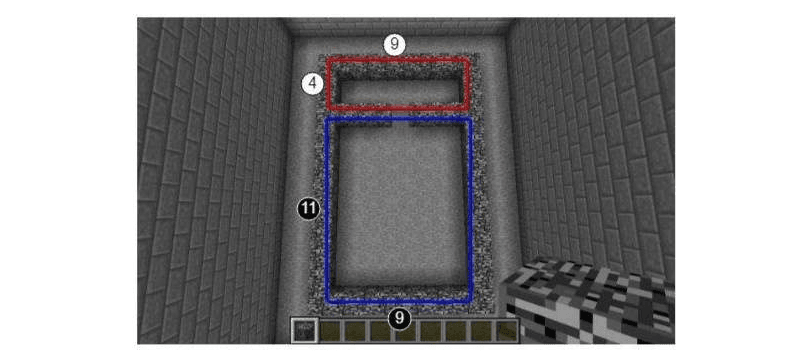
How to implement it: Build your dungeon with at least two distinct levels. Use ladders to connect them. Make the lower level feel confined and dangerous. Make the upper level feel more expansive and rewarding. The physical act of climbing creates a tangible sense of accomplishment.
2. Build Safe Rest Points Within Danger
Rather than forcing players to complete your dungeon in one continuous gauntlet, create small safe spaces where they can rest and prepare.
Why this idea works: Safe spaces break up intense challenges and prevent player fatigue. They also serve narrative purposes—a prison cell suggests confinement and escape, reinforcing your dungeon's story. Players feel relief when they reach safety, then renewed determination to continue.
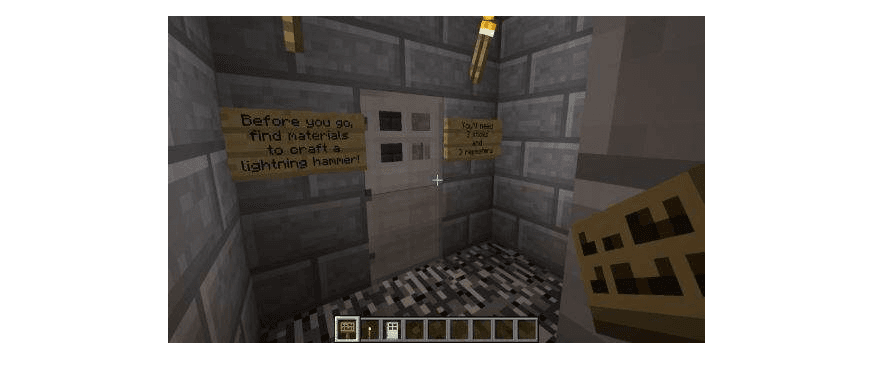
How to implement it: Create a small, confined room with a bed, torches, and a chest. Stock the chest with helpful items. Make it feel secure and separate from the challenges outside. This becomes a psychological anchor, or a place players know they can return to if they need to regroup.
3. Layer Challenges Across Multiple Floors
The most powerful structural dungeon idea is combining vertical design with escalating challenge. Each floor should feel like a progression, with easier challenges below, harder challenges above.
Why this idea works: Progressive difficulty keeps players engaged without frustrating them. Players learn mechanics on lower floors, then apply them in more complex ways on upper floors. This creates a sense of mastery and accomplishment.
How to implement it: Lower floors introduce basic challenges (a simple maze, basic navigation). Middle floors escalate difficulty (more complex puzzles, environmental hazards). Upper floors combine multiple challenge types and reward players with significant treasures. Make each floor feel like an achievement worth celebrating.
4. Force Decision-Making Without Clear Solutions
A maze is one of the most straightforward dungeon ideas, yet it remains effective because it tests a fundamental skill: navigation and observation.
Why this idea works: Mazes force players to make decisions without knowing the outcome. They create tension through uncertainty. Players must explore, observe, and think strategically. A good maze is challenging but ultimately solvable. Ultimately, you want players to feel clever when they find the exit.
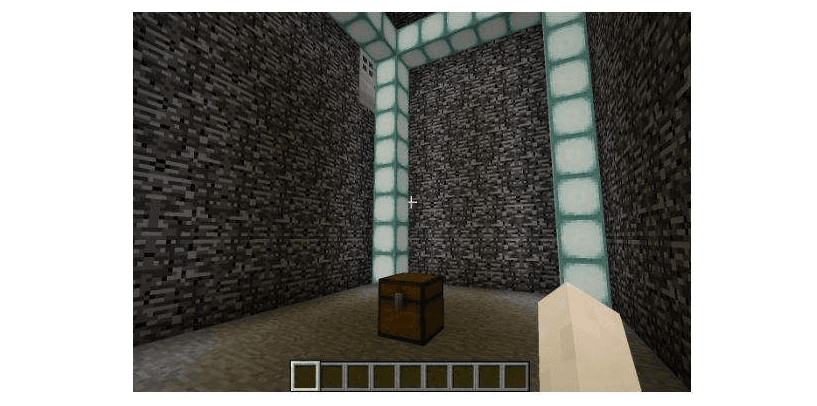
How to implement it: Create winding paths that don't have obvious solutions. Make the maze dark, as minimal lighting disorients players and increases the challenge. Or, use sea lanterns or glow stones to light the edges, guiding players without making the maze trivial. Place a reward chest in the center or at the exit to celebrate completion.
Learn more: 9 Fun Things to do in Minecraft
5. Use Minimal Lighting to Create Fear
Stemming from the above, darkness is a simple but powerful dungeon idea.
Why this idea works: Players naturally fear the unknown. Dark areas suggest danger and hidden threats. Darkness forces players to proceed cautiously and creates tension through uncertainty. It also makes other light sources (like torches) feel more valuable.
How to implement it: Create areas with almost no lighting. Force players to navigate carefully. Contrast dark challenge areas with well-lit safe zones to reinforce the emotional journey.
6. Test Precision Jumping and Quick Thinking
The "floor is lava" concept is a dungeon idea that's been proven effective countless times. It's simple, it's challenging, and it's visually dramatic.
Why this idea works: Lava creates immediate, visceral danger. Players must make precise jumps or die. The challenge is clear and immediate because there's no ambiguity about what's dangerous. Lava also creates memorable moments: narrow escapes, dramatic jumps, and triumphant survival.
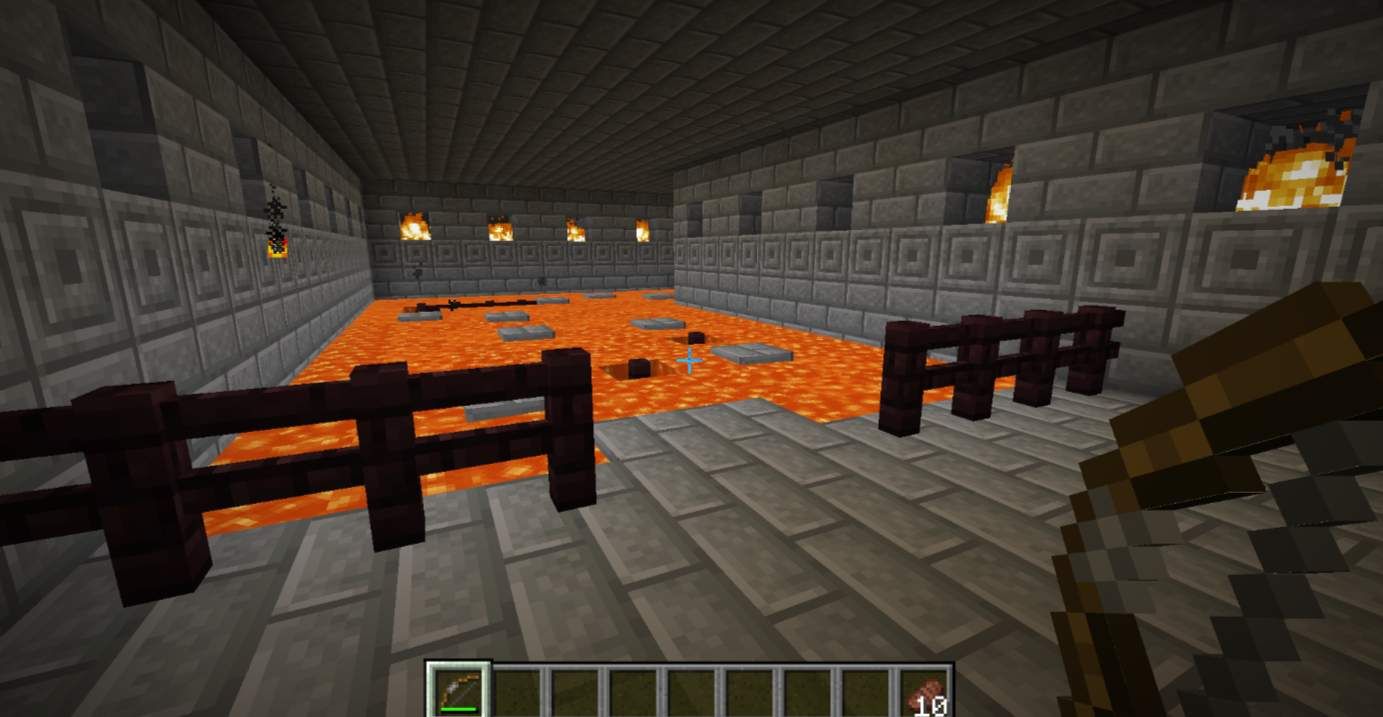
How to implement it: Cover the floor of a large area with lava. Create platforms or paths players must jump across. Add iron bars to block shortcuts, forcing players to take the full challenging route. Provide escape ladders so players can survive mistakes. Place a reward chest for successful navigation.
7. Create Multi-Step Objectives That Require Exploration
A simple but effective dungeon idea: require players to find and pull multiple levers to progress or escape.
Why this idea works: Lever puzzles give players clear objectives while rewarding exploration. Players must search the dungeon, observe their surroundings, and remember what they've discovered. The puzzle creates a sense of purpose where playing is both navigating and solving.
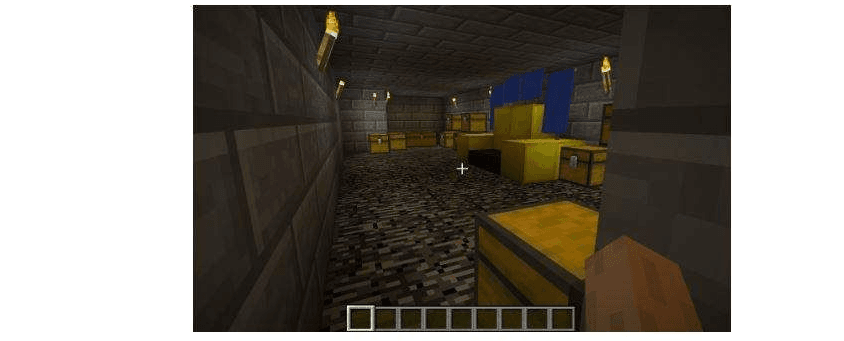
How to implement it: Place one lever in an early challenge area (like a prison cell). Place another lever in a later, more dangerous area (like a throne room). Make players pull both levers to escape. Hide the levers among decorative items so players must observe carefully to find them. Add signs as hints for confused players.
8. Give Players Tools Before the Final Challenge
An armory is a dungeon idea that serves both practical and narrative purposes. It's where players gather equipment before facing the dungeon's climax.
Why this idea works: An armory gives players a sense of agency, as they can choose their equipment and prepare strategically. It also provides a moment of calm before intense challenges. Narratively, an armory suggests that what comes next is important and dangerous.
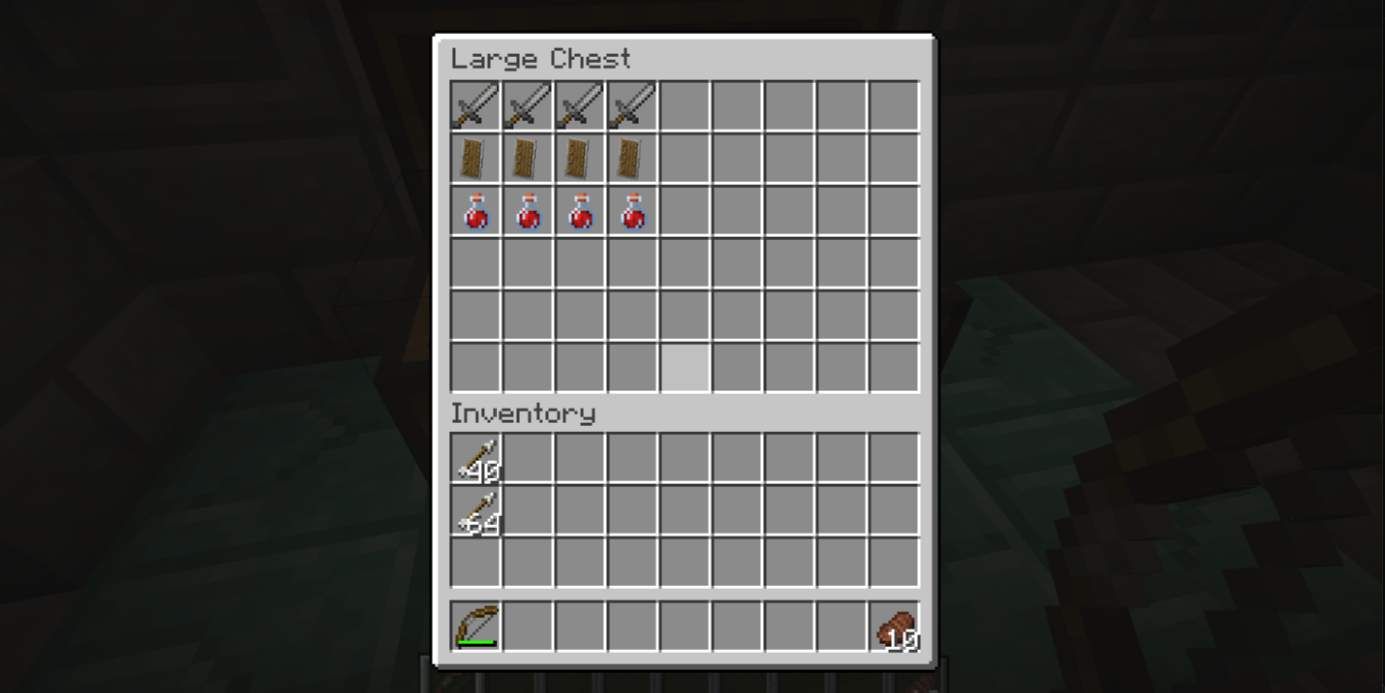
How to implement it: Create a room with armor stands displaying equipment, crafting tables, furnaces, anvils, and chests full of weapons and tools. Make it well-lit and comfortable (a stark contrast to dark challenge areas). Stock it generously so players feel equipped for what's ahead.
9. Create a Final Challenge That Feels Important
The throne room is a dungeon idea that serves as the emotional and mechanical climax of your dungeon.
Why this idea works: A throne room feels important and significant. It's the obvious place for a final challenge or puzzle. Creating an impressive throne (gold blocks, royal blue banners) establishes grandeur and makes the space feel like a culmination rather than just another room.
How to implement it: Build an impressive throne as the visual centerpiece. Place a final puzzle or challenge here—perhaps the second lever players must pull to escape. Hide the solution among decorative items so players must observe carefully. Make the room well-lit and decorated so it feels like the dungeon's climax.
Combining Ideas: Build Dungeons That Layer Multiple Concepts
The most engaging dungeons layer multiple concepts together. Imagine a dungeon that combines all 9 ideas:
- Players descend into the lower level (idea #1: multi-floor descent) and find a prison cell with a bed and first lever (idea #2: checkpoint, idea #7: lever puzzle).
- They navigate a dark maze (idea #4: maze, idea #5: darkness) and escape to the lava challenge (idea #6: lava).
- They climb to the upper level (idea #3: vertical progression) and prepare in an armory (idea #8: armory).
- Finally, they face the throne room climax where they pull the second lever and escape (idea #9: throne room).
This layered approach prevents monotony and creates a complete experience. Each challenge type tests different skills. Each safe space provides relief. Each reward motivates continued exploration.
Customizing These Ideas to Make Them Your Own
These 9 ideas are starting points, not rigid formulas. The power comes from customizing them to match your vision.
Change the materials. Use stone brick for a classic dungeon, deepslate for a dark cavern, nether brick for an otherworldly fortress, or prismarine for an underwater temple. Your material choices set the tone.
Adapt the challenges. Replace the maze with a different navigation puzzle. Replace lava with water or falling blocks. Replace lever puzzles with pressure plate sequences. The framework remains the same with the challenge, reward, and progression, but the specific mechanics reflect your creativity.
Tell different stories. A prison dungeon tells a story of confinement and escape. A magical tower tells a story of arcane power. An ancient temple tells a story of lost civilizations. Decorative choices and material selections communicate these stories.
Scale to your ambition. Start with a simple two-floor dungeon using 4-5 of these ideas. Once the basics have been mastered, build larger dungeons with more floors and more complex challenges. Each dungeon teaches you techniques you can apply to the next one.
The dungeon you create will be an experience you've designed—a challenge you've crafted, a story you've told through architecture and decoration.
That's where your next amazing dungeon begins.


